$199.89–$209.59Price range: $199.89 through $209.59
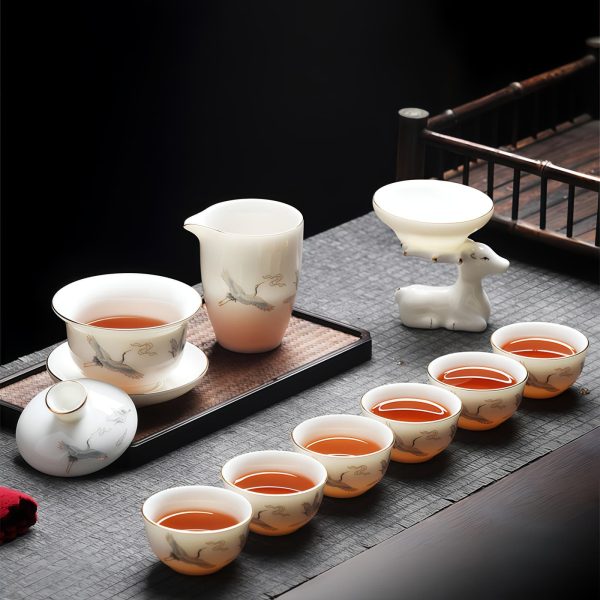
Gongfu tea sets are built for one purpose: the multi-infusion brewing style that coaxes the full depth out of oolong, pu-erh, aged white, and black teas. Unlike a basic mug-and-strainer setup or a Western-style teapot, a true gongfu set combines a small brewing vessel, a fairness pitcher for even pouring, tasting cups, and a drainage tray — each piece sized for the short, concentrated steeps that define the style. Every set in this collection is handcrafted in Jingdezhen, Yixing, or Ru kiln workshops.
What Defines a Gongfu Tea Set?
A gongfu tea set (功夫茶具, also written as kung fu tea set or gong fu set) is a curated collection of teaware designed for the traditional Chinese gongfu brewing method. The word gongfu means "skill acquired through patient effort" — applied to tea, it describes a style where small amounts of leaf are steeped many times in quick succession, each infusion revealing a different layer of flavor.
What separates a gongfu set from a general Chinese tea set is the scale, pacing, and drainage of the equipment:
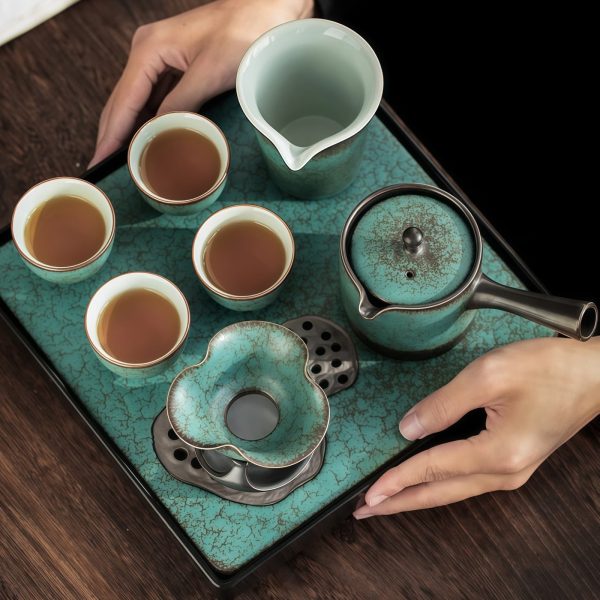
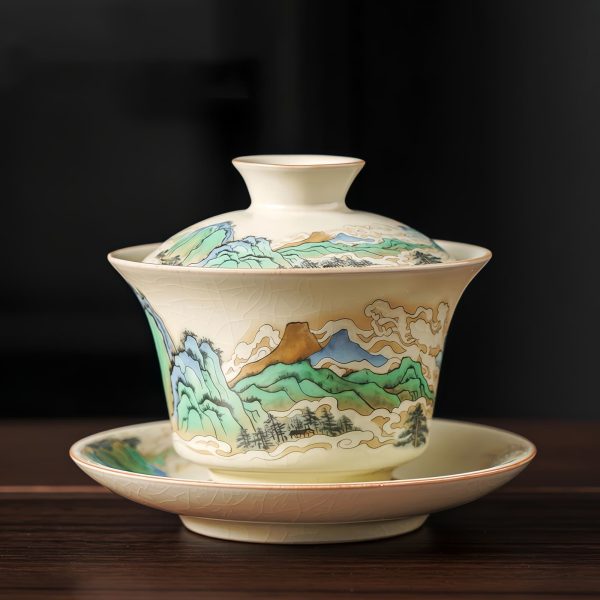
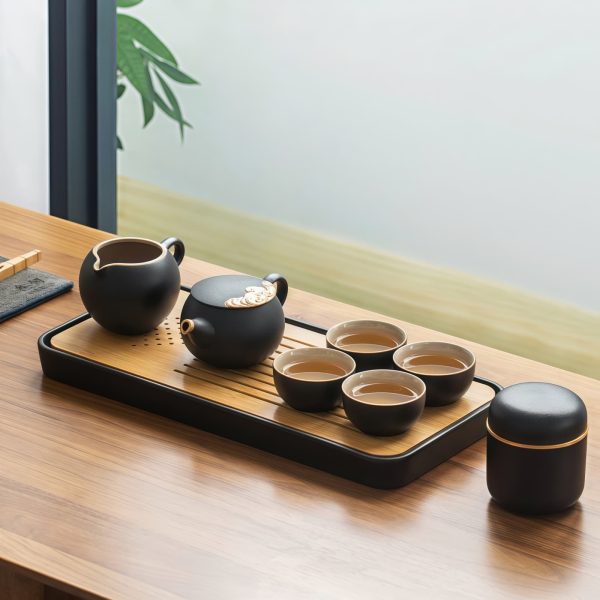
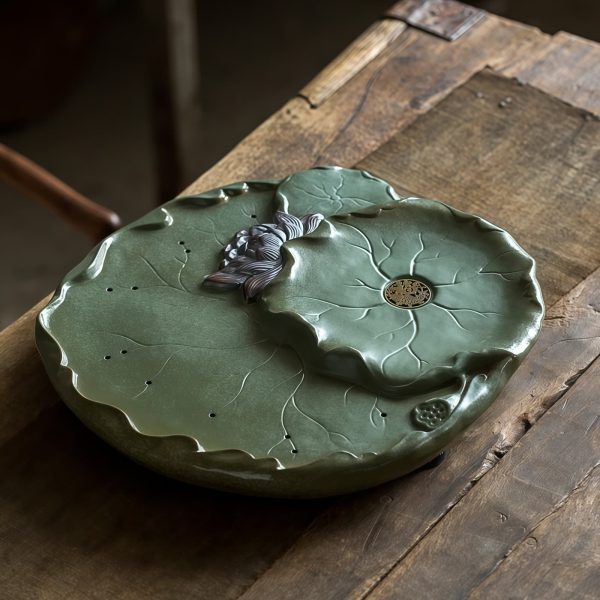
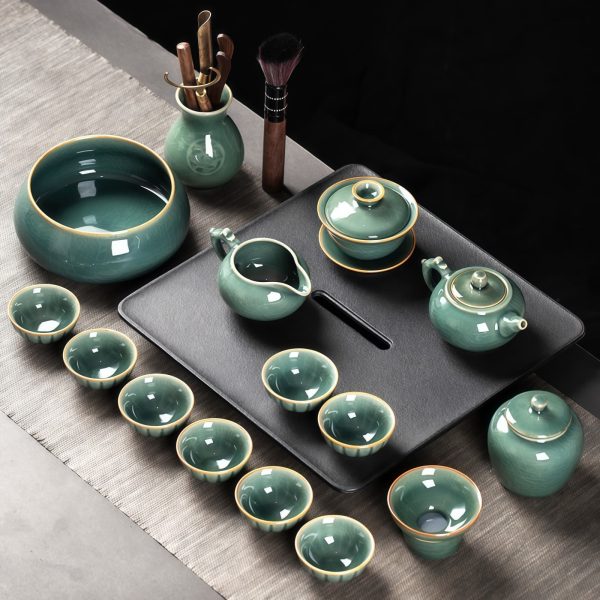
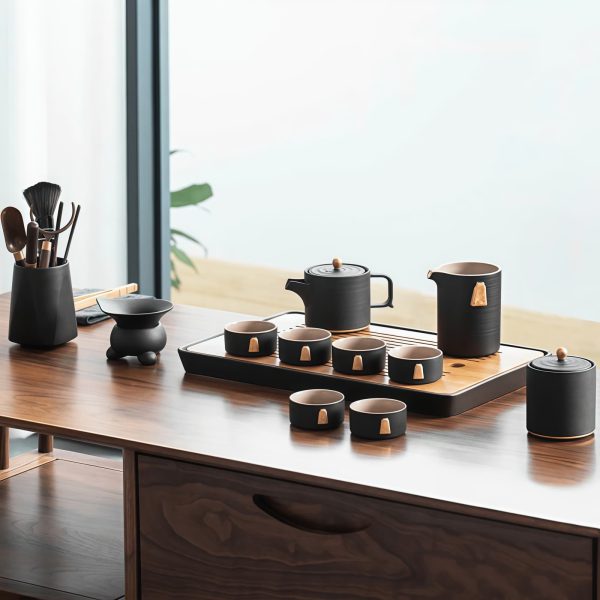
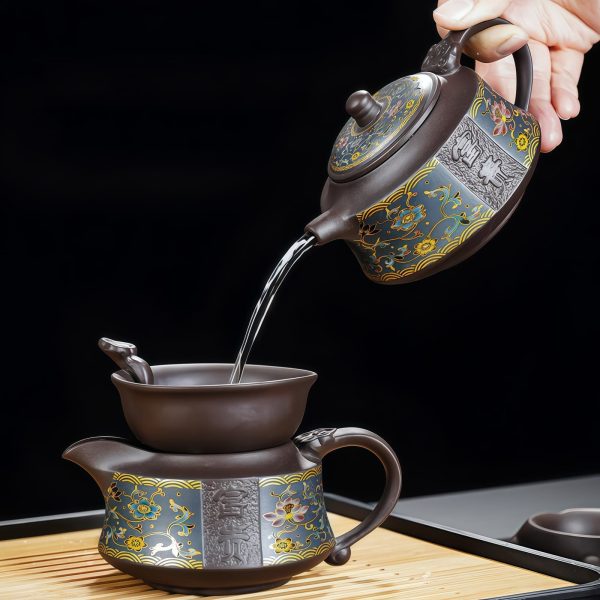
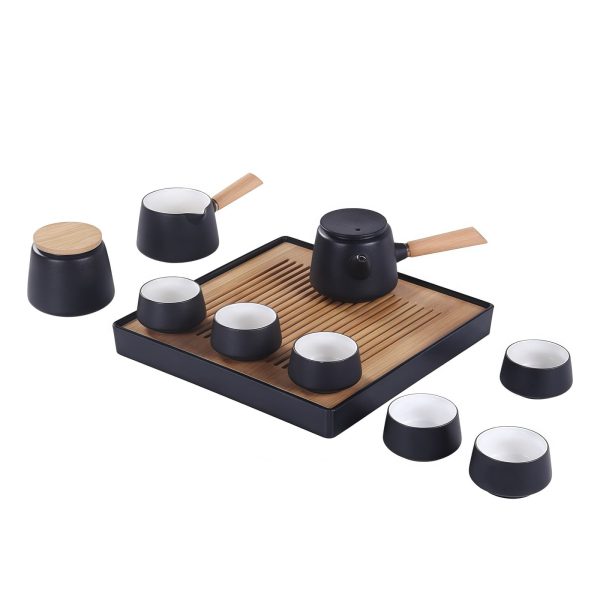
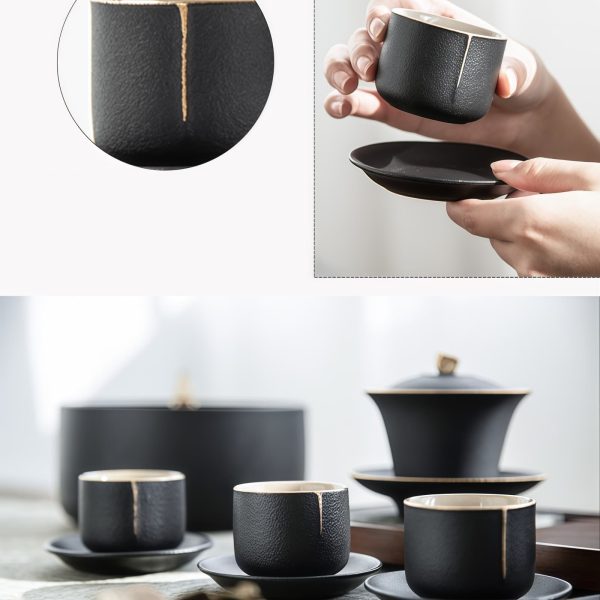
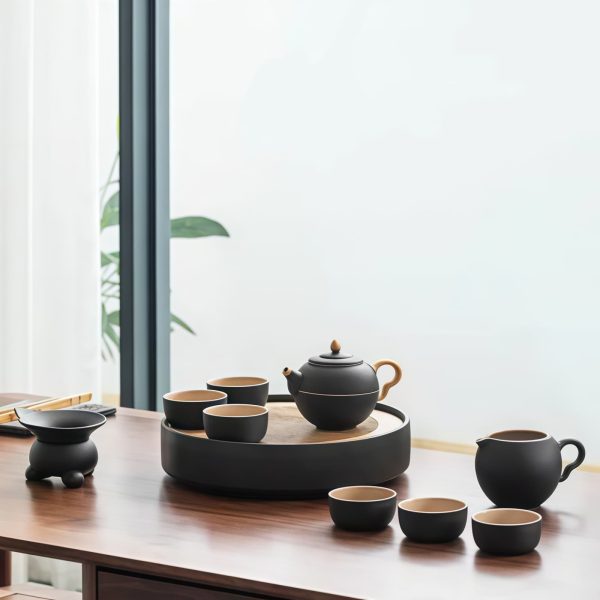
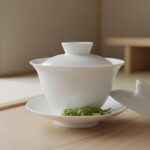
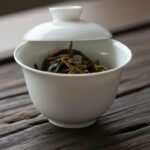
Brewing vessel — a small teapot or gaiwan (usually 100–200ml), enabling a high leaf-to-water ratio. Yixing zisha clay seasons with use; porcelain and Ru kiln stay neutral across tea types. Fairness pitcher (gongdao bei) — receives the brewed tea before it is poured into cups, ensuring every cup has equal strength. Tasting cups — 4 to 6 small cups (30–50ml), meant to be finished in two or three sips. Advanced sets pair them with tall aroma cups. Tea tray (chapan) — a slatted or reservoir tray that catches rinse water and overflow. Our Ebony Wood Drawer and Bamboo Wujin Stone trays are both sized for standard gongfu setups. Tea tools (tea six gentlemen, 茶道六君子) — scoop, funnel, tongs, needle for clearing the spout, pick, and holder.
How to Choose the Right Gongfu Tea Set for You
Material is the single biggest factor in how a gongfu set performs. The three materials that dominate this collection each handle tea differently:
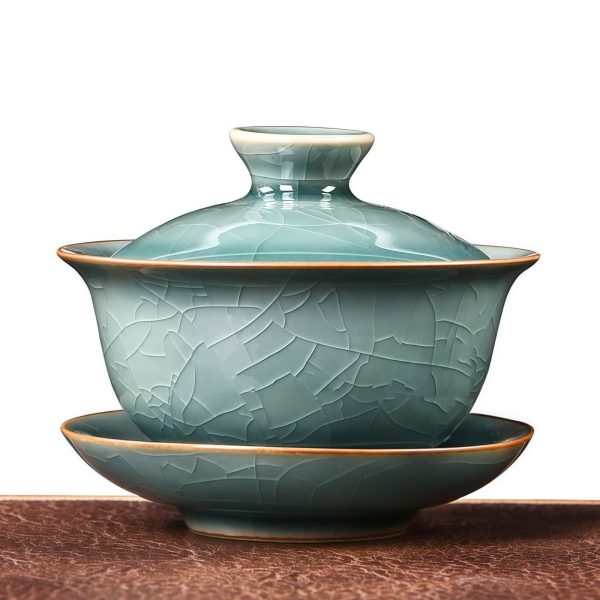
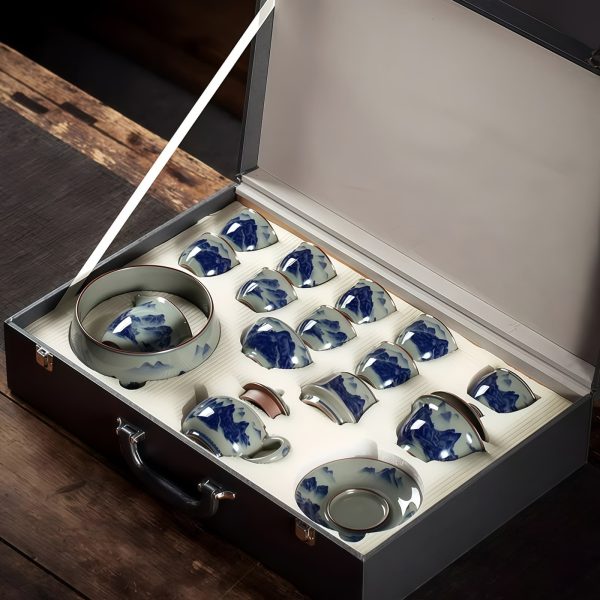
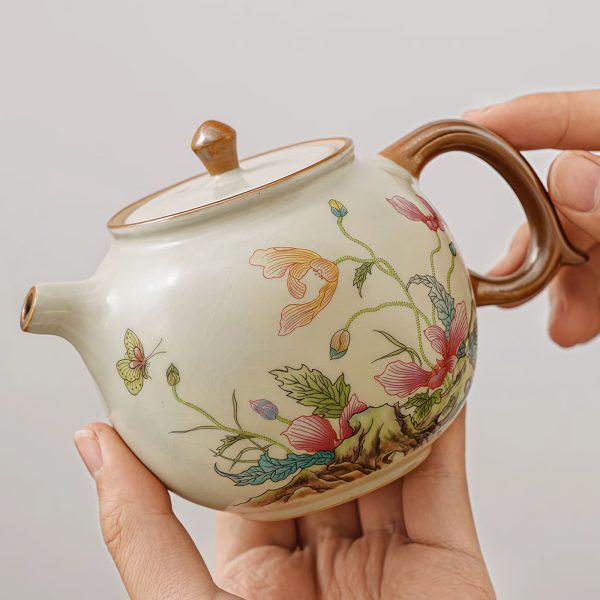
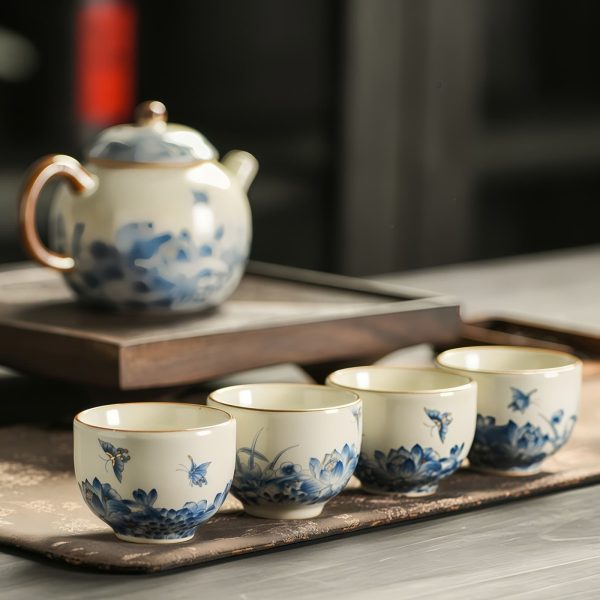
Porcelain (Jingdezhen) — Non-porous and neutral. It does not absorb oils or carry flavor between sessions, so one set handles green, white, oolong, and black teas equally well. The Vintage Blue and White Floral Set is a classic choice. Recommended starting point for most drinkers. Yixing Zisha clay — Porous and mineral-rich. The clay absorbs tea oils over time, seasoning to the specific tea you brew in it. The trade-off: each zisha pot should be dedicated to a single tea category (the one pot, one tea rule) to keep aromas clean. Best for aged pu-erh, roasted Wuyi rock oolongs, and Yunnan black teas. Ru kiln & celadon — Fired porcelain with soft jade or ice-blue glazes and crackle patterns. Functionally neutral like white porcelain, but visually distinctive — a frequent choice for gift sets and collectors. The Ru Kiln Ceramic Set with Teapot is a representative piece.
By size: a 100–120ml gaiwan with 2–3 cups for solo brewing; a 150–200ml teapot with 4–6 cups for hosting two to four guests. Gongfu practice stays intimate by design.
By intended tea: porcelain or Ru kiln for green, white, and light oolong; Yixing zisha for heavily roasted oolong, aged white, pu-erh, and black tea; when undecided, default to porcelain.
Mastering the Art: How to Use a Gongfu Tea Set
Gongfu brewing follows a repeatable sequence. Once the rhythm becomes habit, it takes less time than brewing a Western pot.
Warm the teaware. Pour boiling water into the pot, fairness pitcher, and cups; discard. This stabilizes brewing temperature and primes the ceramic. Awaken the leaves. Add tea (roughly 5–7g per 120ml), pour hot water, and immediately discard the first infusion. This rinses dust and opens the leaf. First infusion. Steep 5–15 seconds depending on tea type. Pour fully into the fairness pitcher, then into cups. Repeat. A quality oolong or pu-erh yields 6–12 infusions, each slightly longer than the last. Taste as the flavor shifts. Clean. Hot water only — no soap, especially on zisha. Air-dry all pieces with lids off.
Each gongfu tea set in this collection is chosen for both craftsmanship and practical brewing performance. Whether you are building a first setup or adding a dedicated zisha pot to an existing collection, the pieces here are designed to be used, not just displayed.
Custom Gongfu Tea Sets and Gong Fu Cha KeywordsCustomers search this style in several ways: gongfu tea set, gong fu tea set, gong fu cha set, kung fu tea set, Chinese kungfu tea set, and custom tea set. These are variations of the same practical intent: a small-format brewing setup for repeated infusions with a gaiwan or teapot, fairness pitcher, cups, and often a tea tray.Gift-ready or personalized gongfu sets should not sacrifice brewing function for decoration. Prioritize balanced pouring, cup count, tray fit, and material choice first; engraving or name personalization should add meaning without interfering with daily use.
Frequently Asked Questions
What's the difference between a gongfu tea set and a regular Chinese tea set?+
A gongfu tea set is designed specifically for multi-infusion brewing, so it always includes a small teapot or gaiwan, a fairness pitcher, small tasting cups, and a drainage tray. A general Chinese tea set may be any configuration — a tea-for-one, a large teapot with mugs, or a decorative display piece. If you plan to brew loose-leaf oolong or pu-erh properly, choose a gongfu set. For casual daily tea or as a gift, a broader Chinese tea set may fit better.
Is gongfu tea the same as kung fu tea?+
Yes — gongfu, kung fu, and gong fu are all romanizations of the same Chinese word 功夫, meaning "skill through patient effort." A kung fu tea set and a gongfu tea set refer to identical teaware; the spelling difference is purely transliteration.
How many pieces does a gongfu tea set include?+
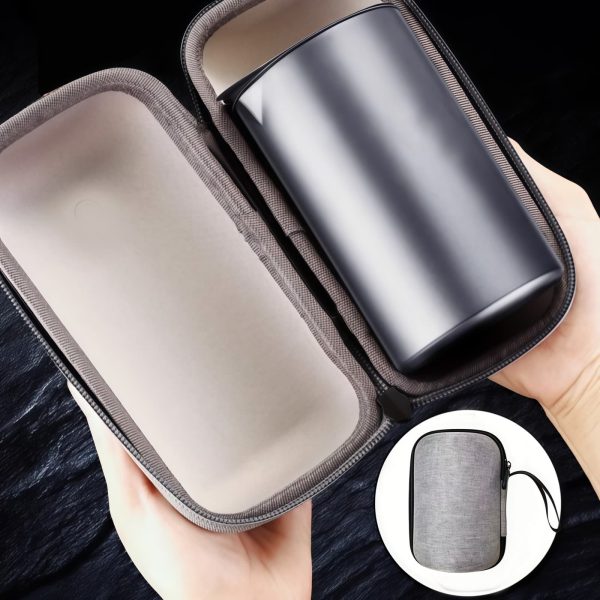
Most complete sets include 8 to 15 pieces: one brewing vessel (teapot or gaiwan), one fairness pitcher, four to six tasting cups, a tea tray, and a set of tea tools. Compact travel sets may consolidate to 4–5 pieces; full ceremony sets can exceed 20 with aroma cups, tea pets, and waste bowls.
Do I need a tea tray for gongfu brewing?+
Yes. Gongfu is a wet brewing method — you pour rinse water over the pot, discard first infusions, and occasionally overfill cups. A drainage or reservoir tray keeps the table dry and is standard equipment, not optional. Our Ebony Wood Drawer Tray and Hard Bamboo Wujin Stone Tray are both built for this use.
Should beginners start with a gaiwan or a teapot?+
A gaiwan. It is easier to clean, lets you see the leaf as it brews, adapts to any tea type, and costs less than a comparable teapot. Once you settle on a favorite tea category, you can add a dedicated zisha teapot for that tea specifically.
How do I care for a Yixing zisha teapot?+
Never use soap or a dishwasher — zisha is porous and absorbs everything. Rinse with boiling water only. After each session, empty the pot, rinse, and air-dry with the lid off. Dedicate each pot to one tea category to preserve flavor clarity. Over time, the clay develops a subtle patina (baoyang) that is part of the pot's value.