



The material of your teapot determines two specific outcomes in every session: the analytical clarity of what you taste, and the textural depth that accumulates in the cup over time. This is not a stylistic preference but a structural decision. It defines what your tea practice can and cannot reveal.
Choosing a vessel comes down to a single trade-off between total transparency and accumulated memory. One path keeps the tea leaves in sharp isolation. The other lets the vessel slowly enter the conversation, deepening with every session.
Porcelain
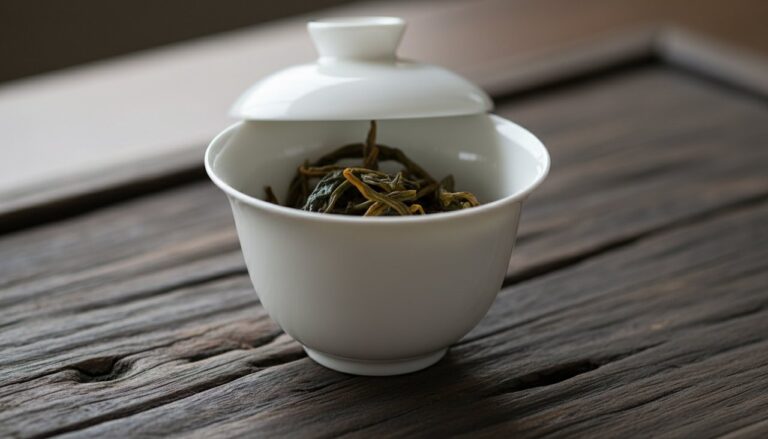
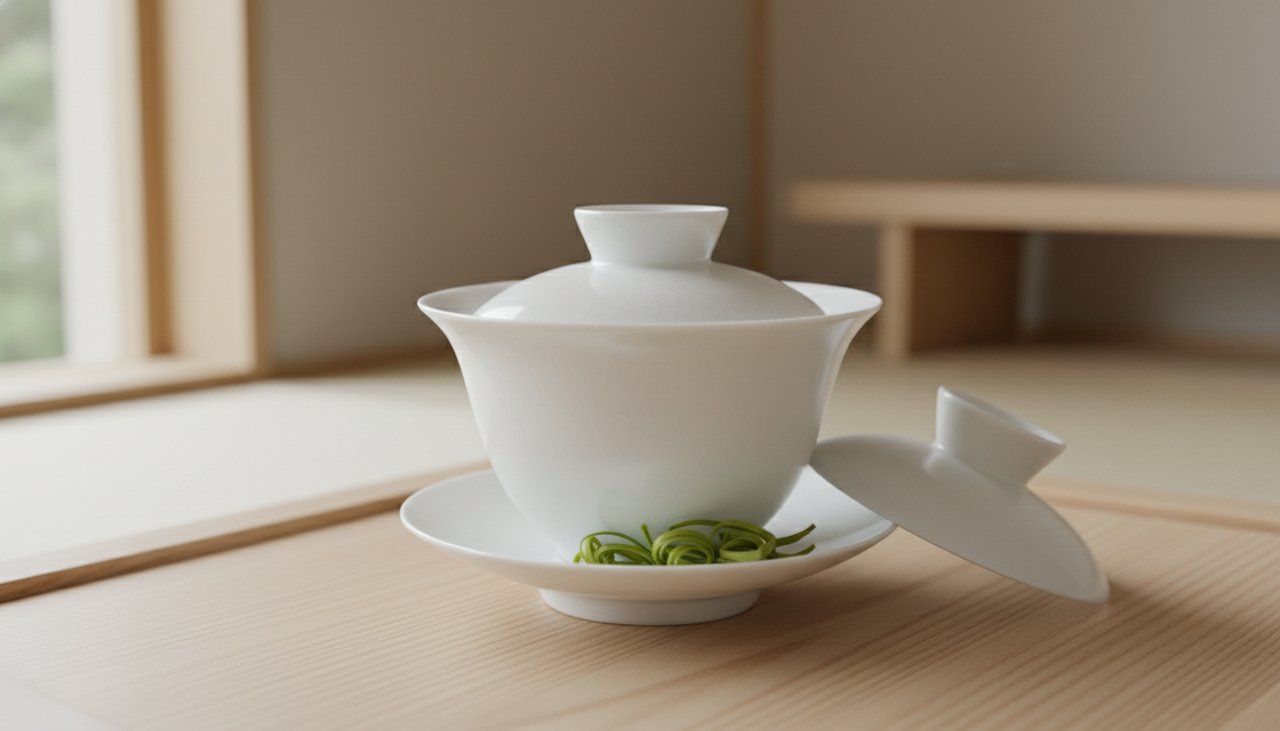
Porcelain provides a neutral environment for the analytical tea drinker. It adds nothing to the flavor profile, ensuring absolute transparency. This makes it an essential tool for tasting a new harvest exactly as it is.
High-density surfaces are the result of firing Jingdezhen clay at temperatures exceeding 1200°C. This intense heat causes the clay to vitrify, creating a non-porous finish. Because the material cannot absorb oils, it prevents any flavor carryover between different sessions.
You can transition from a dark roasted tea to a light silver needle with just a simple rinse. The surface remains untainted, preserving the integrity of each unique brew. This reliability is why professionals rely on porcelain for consistent evaluation.
The value of porcelain lies in its silence, allowing the tea leaves to speak for themselves.
Zisha
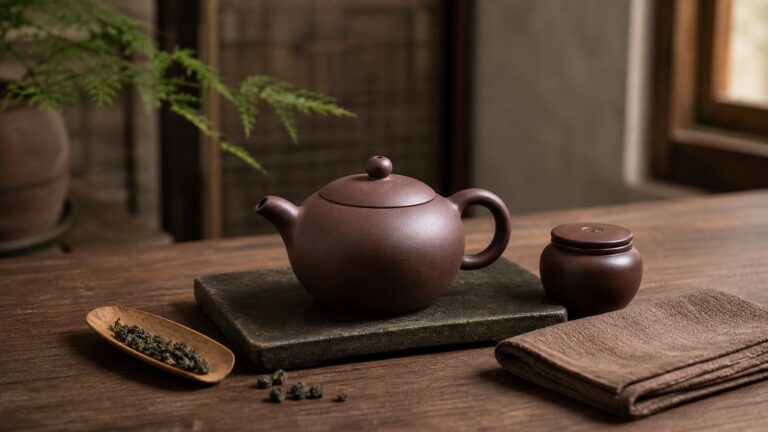
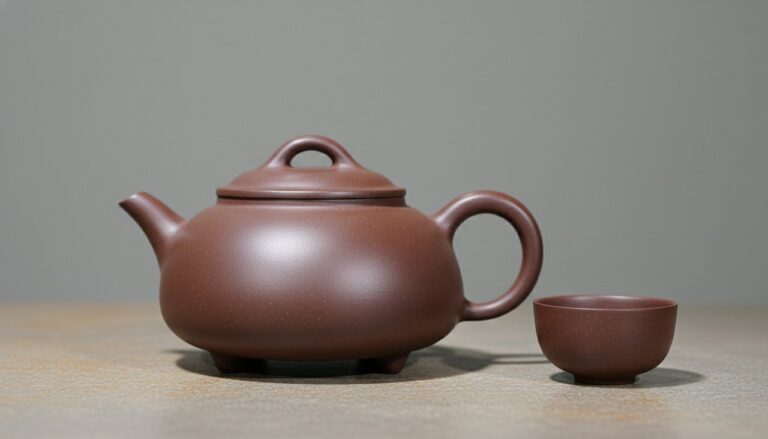
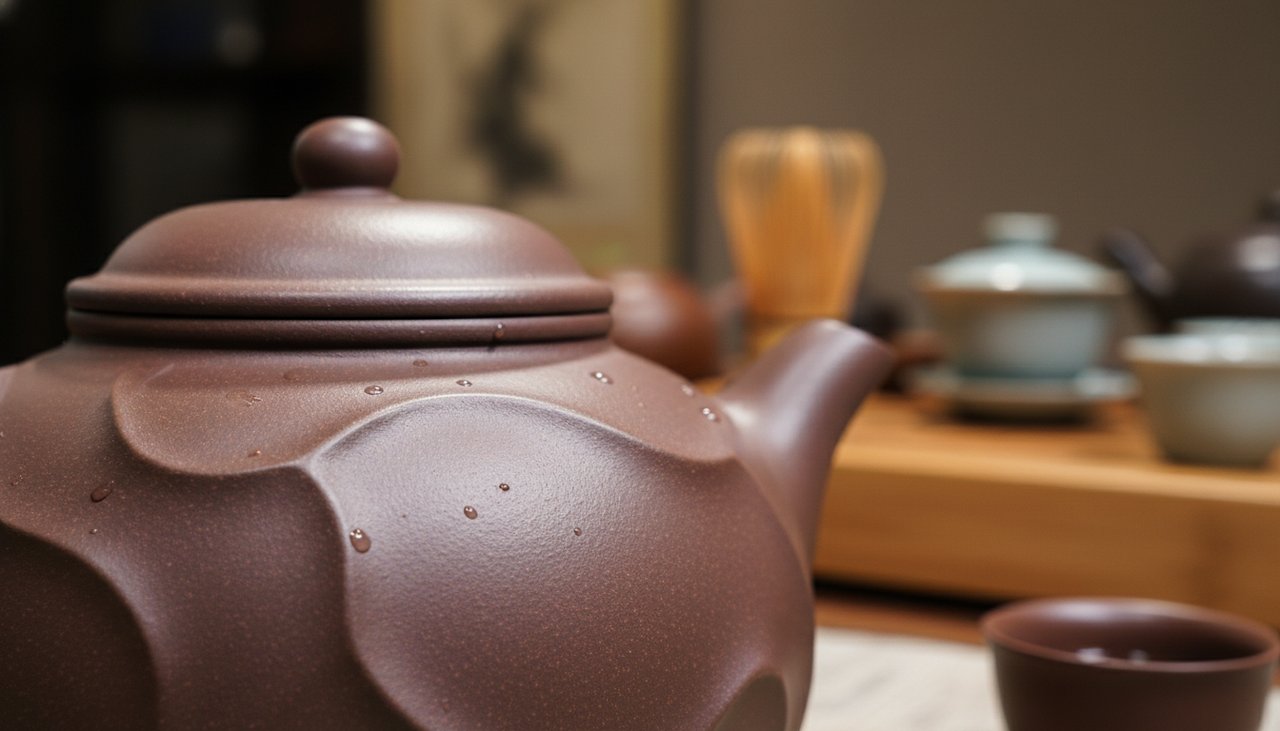
Zisha clay functions as an active participant in the brewing process. These vessels are not static objects but grow and change alongside the user. This interactive quality is due to the unique mineral composition of clay found in Yixing.
The secret lies in the dual-porosity structure of the material. Microscopic pores allow the vessel to breathe while remaining completely watertight. Over time, the clay absorbs natural tea oils through the process of raising a pot.
A seasoned Yixing pot develops a subtle inner patina that retains the essence of past brews. This adds a physical memory to the vessel, enriching the texture and depth of future cups. It transforms a simple tool into a personal companion.
This intimacy with one specific tea is also why a Zisha pot is traditionally dedicated to a single category. If a pot ever absorbs an unwanted odor and needs to be reset, boil it in purified or distilled water for ten to fifteen minutes. The heat reopens the clay pores and releases most of the trapped compounds, returning the surface much closer to its neutral state.
Creating these tools requires significant technical mastery, as different clays react uniquely to the kiln:
- Zini clay typically has a manageable shrinkage rate of about 10-12%, which gives studio potters reasonable predictability during firing.
- Zhuni clay is far more volatile, shrinking between 15-25%. This violent contraction causes cracks, warping, and a high kiln failure rate, which is the structural reason genuine Zhuni pots command significantly higher market prices than other clay types.
Choosing Your Vessel
Your choice should reflect your specific tasting goals and the teas you favor most. The matching pattern is more direct than most beginners assume:
| Tea Category | Porcelain | Zisha |
|---|---|---|
| Green tea | Strongly recommended | Avoid |
| White tea (fresh) | Strongly recommended | Avoid |
| Light oolong | Recommended | Workable |
| Roasted oolong | Workable | Strongly recommended |
| Young sheng pu-erh | Recommended | Avoid |
| Aged sheng pu-erh | Workable | Strongly recommended |
| Shou pu-erh | Avoid | Strongly recommended |
| Black tea | Workable | Recommended |
The reasoning behind this split is straightforward. Porcelain preserves volatile aromatic compounds, which is why it suits teas where high notes and clarity carry the entire impression. Shou pu-erh is the clearest avoid case for porcelain because its earthy depth and heavier body usually benefit from the rounding effect of seasoned clay rather than the sharp exposure of a neutral glazed surface. Zisha rounds and softens the liquor, which is why robust, tannic, or aged teas benefit from its mineral interaction.
Many experienced practitioners use a combination of both styles. They keep a porcelain gaiwan for objective tasting and maintain dedicated clay pots for their favorite dark teas. This balance allows for both critical analysis and personal growth.
Handmade Craftsmanship
The physical touch of an artisan transforms a functional tool into a piece of art. This human element distinguishes a dedicated ritual from a simple drink. A handcrafted Zisha pot often carries a seal on the base as a sign of the creator’s personal accountability.
Within the Yixing tradition, handmade work is further divided into two construction methods that drive most of the price gap at the high end:
- Full-hand (全手工) pieces are built without any mold. The artisan beats the clay into slabs, scores the body, and joins each wall by hand using specialized wooden tools.
The interior often shows subtle joining lines and slight asymmetries that mass production cannot fake. - Half-hand (半手工) pieces use a template or simple mold to form the main body.
The artisan then refines the spout, handle, lid fit, and surface by hand. The result is technically still handmade but with a uniformity that betrays the assisted shaping process.
The authenticity of an artisan’s seal can be verified through specific physical signs. A genuine hand-pressed mark shows uneven impression depth and slight asymmetry, often with faint clay ridges pushed up around the edges. Machine-sprayed or laser-etched marks, by contrast, appear perfectly uniform with mechanically clean edges and a flat surface that sits on top of the clay rather than within it.
Hand-painted porcelain from Jingdezhen shows the beauty of organic variation. Slight differences in brush pressure create a character that mass-produced items cannot replicate. This human connection is what gives the teaware its lasting value.
The character of a handmade piece bridges the gap between the studio and your tea table.
The decision tonight is concrete: use porcelain when the next pour needs to expose the bright clarity of an unfamiliar aroma; use Zisha when the goal is to round out the body of a tea you already know well. Let that single intention decide which pot joins you at the table.
Frequently Asked Questions
Porcelain provides a neutral brewing environment, ensuring the tea's true flavor profile is unadulterated. Its non-porous surface prevents any flavor carryover, allowing you to transition between different tea types effortlessly. This material is ideal for analytical tasting or appreciating delicate notes.
Zisha's unique dual-porosity structure allows the clay to subtly absorb natural tea oils over time. This process creates a subtle inner patina, enriching the tea's texture and depth in future brews. It transforms the vessel into a personal companion that evolves with your tea journey.
Neither is inherently 'better'; the choice depends on your specific tea and tasting goals. Porcelain suits aromatic clarity and varied teas, while Zisha excels at building depth for specific dark teas like Pu-erh. Many experienced practitioners use both for different purposes.
Seasoning involves consistently brewing the same type of tea in the pot, allowing its oils to absorb into the clay. This process, known as 'raising a pot,' builds a subtle inner patina that enhances the pot's character. Avoid using harsh detergents, as they strip away this essential layer.
Porcelain, being non-porous, is easily cleaned with warm water and a soft cloth or sponge. Avoid abrasive scrubbers to maintain its smooth, vitrified surface. A simple rinse is often sufficient between different tea types to prevent any residue.
Authentic Zisha teapots are crafted from unique mineral clays found exclusively in Yixing, China. The region's specific clay composition gives these vessels their distinctive properties and earthy aesthetic. Each piece reflects centuries of local artisanal tradition and mastery.
Jingdezhen porcelain, from China, is renowned for its exceptional clarity, high density, and pure white luminescence. Fired at over 1200°C, its vitrified surface ensures absolute neutrality for tea tasting. This city has been a global center for porcelain production for over a millennium.
While technically possible, it is generally recommended to dedicate a Zisha pot to a single type or category of tea. This allows the clay to fully absorb and enhance that specific tea's character without flavor confusion. Using different teas might dilute the pot's developed patina.
Handmade pieces often exhibit subtle, organic variations in form, brushstrokes, or surface texture, unlike mass-produced items. Zisha pots typically bear the artisan's personal seal on the base, signifying the creator's personal accountability. These unique details reveal the human element.
Seek out reputable platforms specializing in artisanal Eastern crafts that prioritize direct sourcing from skilled artisans. Look for detailed product descriptions specifying material, origin, and craftsmanship. East Artisan curates a selection of such pieces, ensuring both authenticity and quality.