



The geometry of a sake vessel acts as a physical filter. It decides which part of your tongue meets the alcohol first — and the thickness of the lip, the angle of the rim, and the curvature of the wall are each mechanical decisions that change the taste before the drink even reaches the back of your mouth.
Glass and porcelain produce different geometries because the physics of their creation demands it. The two materials function as different musical instruments playing the same note — glass produces a precise, ethereal tone, while ceramic offers a warm, resonant sound. The shape of a vessel is a material logic that dictates how the liquid registers on the senses.
Language of Glass
The geometry of hand-blown glass is born from a struggle with gravity. When a glassblower gathers molten silica, they manipulate a liquid with extreme viscosity. The artisan must constantly rotate the blowpipe, using centrifugal force and breath to coax the heavy material into a hollow sphere. The resulting shape is captured motion, frozen at the exact moment the temperature drops.
This relationship with viscosity allows for structural feats impossible in clay. The Japanese Usuhari glass style serves as a prime example of this extreme geometry. Originally developed by lightbulb manufacturers, these vessels are blown to a uniform thickness of less than a millimeter. The design is entirely reductive, stripping away the material until only a microscopic membrane remains between the hand and the drink.
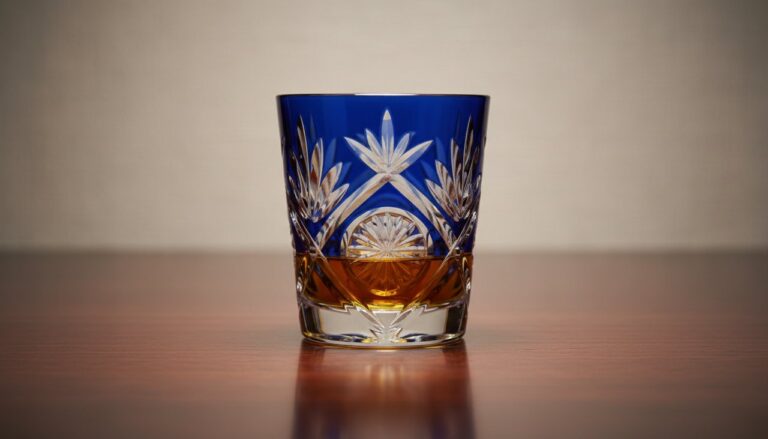
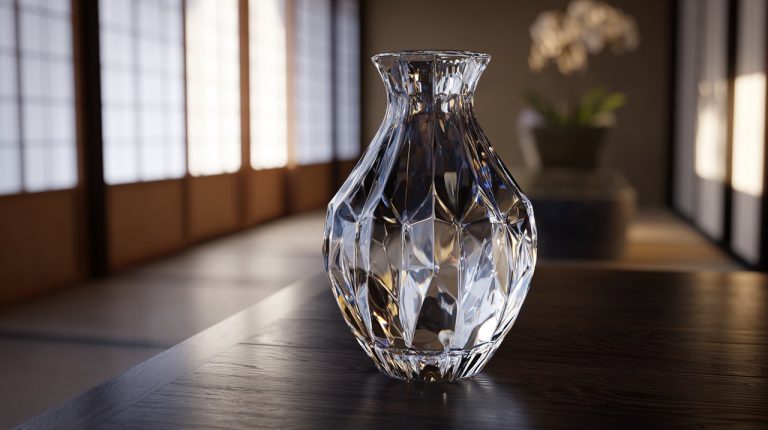
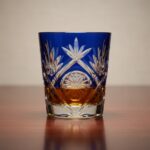
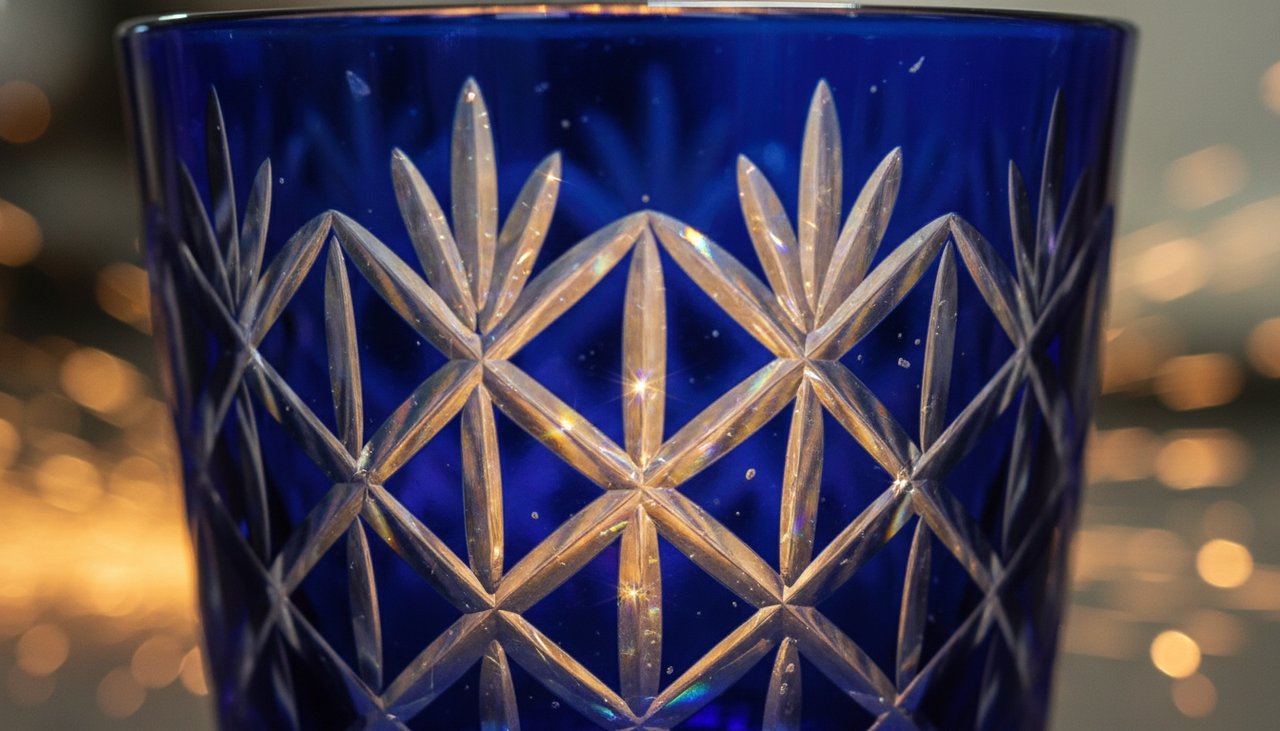
Techniques like Edo Kiriko impose a strict mathematical geometry onto the fluid form. Artisans cut precise facets into the surface of layered glass to create a structural contradiction. The vessel retains its original molten silhouette, but its surface becomes a rigid grid of prisms designed to manipulate light.
Form of Porcelain
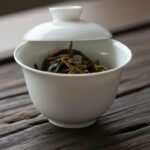
If glass is a conversation with gravity, porcelain is an exercise in grounded control. The foundation of this geometry is kaolin, a fine white clay that requires immense heat to vitrify. Unlike the rapid cooling of glass, a porcelain vessel’s final shape is achieved through the slow, transformative power of the kiln. The potter dictates the initial form on the wheel, but the chemistry of the clay and glazes determines the final state.
The historical center of Arita exemplifies this deliberate geometric control. Arita craftsmen developed techniques to manipulate kaolin into incredibly precise, symmetrical forms. The geometry of these vessels emphasizes stability and structural integrity, grounding the experience in a physical weight that delicate glass lacks.
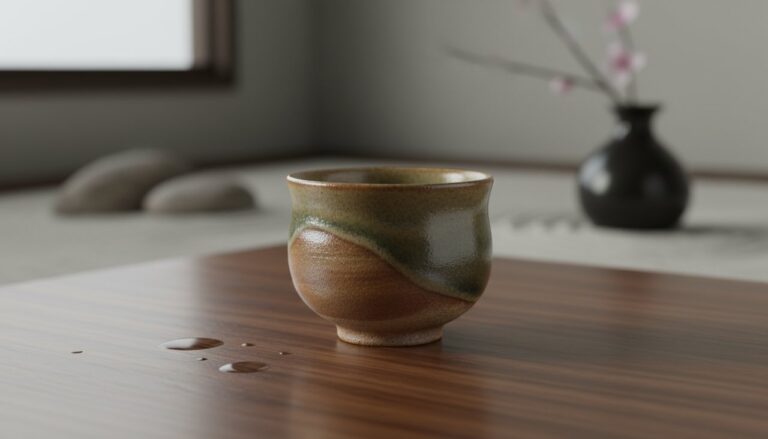
The highest expression of porcelain geometry often rejects perfect symmetry. The philosophical concept of wabi-sabi embraces deliberate irregularities as a form of logic, and these geometric decisions have measurable functional consequences. A subtly flared rim, even at a 5 to 10 degree outward angle, redirects volatile aromas sideways as they rise from the sake’s surface — widening the aromatic envelope that meets the nose before the liquid touches the lips. This is why warm sakes are commonly served in cups with a slight flare: heat lifts more aromatic compounds out of the brew, and the flared rim disperses them so they reach the nose at a controlled intensity rather than a sharp column.
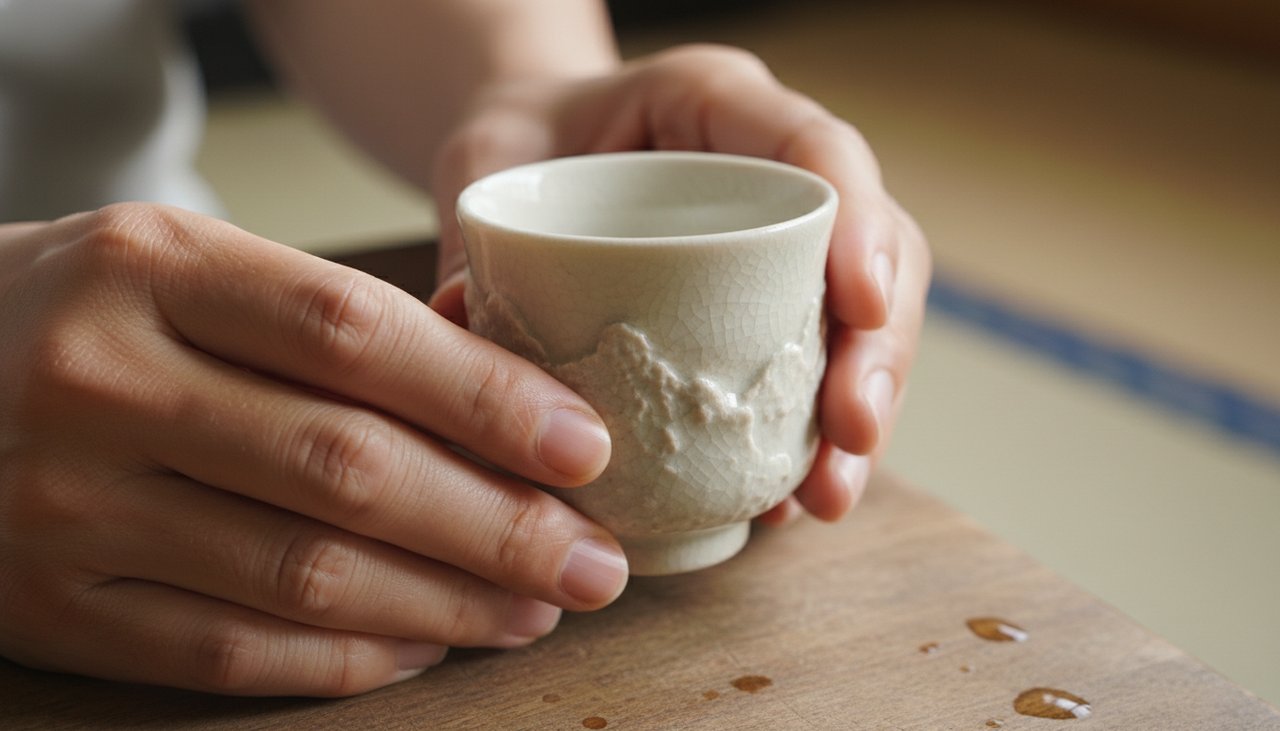
This logic extends to styles like kairagi, where the glaze deliberately cracks into textured patterns, mapping the topography of a natural landscape onto a small cup.
Anatomy of Vessels
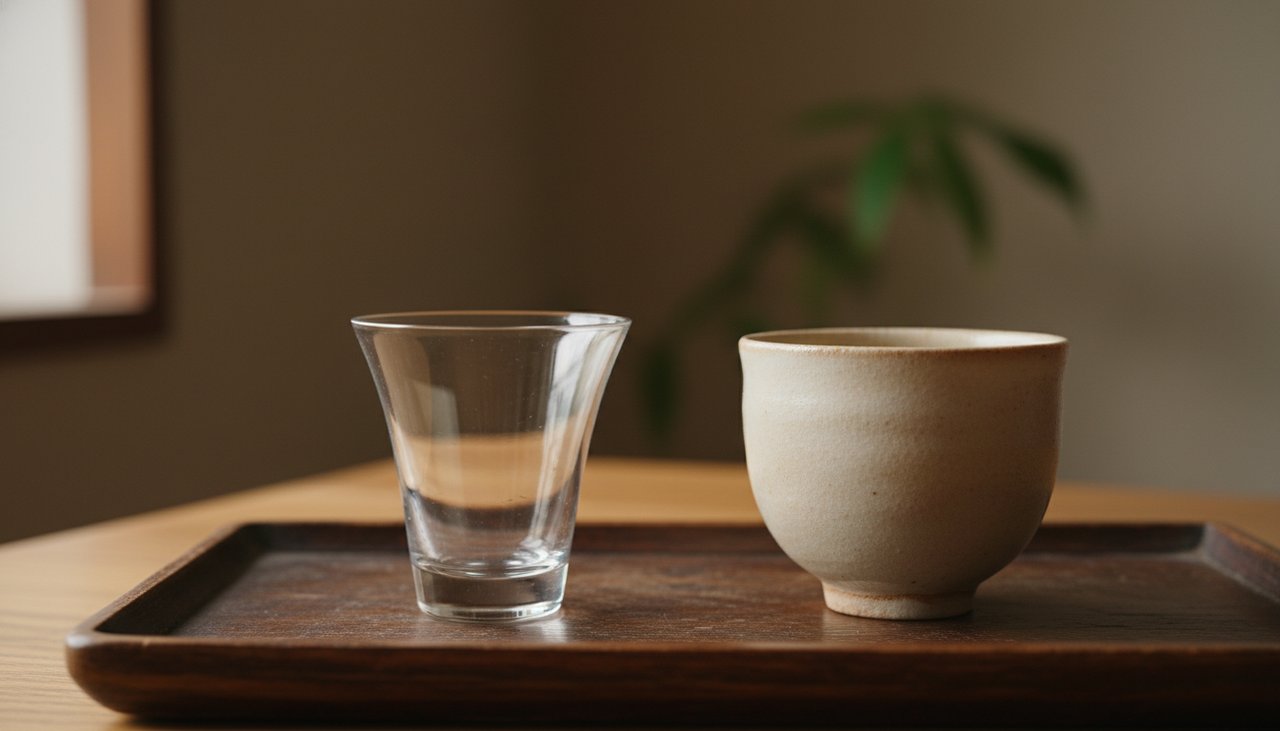
A side-by-side analysis reveals how these material differences manifest in specific anatomical features. The lip of a vessel is its primary point of interaction. A hand-blown glass vessel typically features a sharp, microscopically thin rim. This geometry allows the liquid to flow quickly across the palate, making it suited for aromatic, delicate Ginjo sake.
Conversely, a porcelain cup usually presents a rounded, thicker lip. This subtle shift creates a physical barrier that slows the flow, directing the sake toward the center of the tongue and amplifying the rich, umami-driven mouthfeel of a classic Junmai sake. The material dictates the lip’s thickness, which in turn dictates the fluid dynamics of the liquid.
The body and foot of the vessel tell different stories of interaction. The clarity of glass allows the liquid to be the primary visual element, while a thick base provides stability. An opaque porcelain tokkuri conceals the liquid, insulating it within a thick-walled body. The foot of a porcelain vessel is often left unglazed, creating a rough, high-friction contact point with the table.
The functional differences across the two materials can be summarized at a glance:
| Feature | Hand-Blown Glass | Porcelain |
|---|---|---|
| Lip thickness | Sub-millimeter (Usuhari at the extreme) | 2–4 mm, typically rounded |
| Thermal conductivity | High — vessel mirrors liquid temperature | Low — vessel insulates and stabilizes heat |
| Best sake pairing | Chilled Daiginjo, Junmai Daiginjo, Ginjo | Warmed Junmai, Honjozo, aged Koshu |
Sensory Interface
Geometry in a sake vessel acts as a dynamic sensory interface, mediating temperature, touch, and light long before the first sip is taken.
Physical interaction is governed by thermal conductivity, and the two materials sit at opposite ends of this scale. Porcelain absorbs and transfers heat slowly, which is what makes a ceramic cup the natural interface for warmed sake — its insulating walls preserve the internal heat of the liquid while protecting the fingers from the cup’s surface. Glass conducts heat much faster, so a thin glass vessel almost immediately mirrors the temperature of what it holds. This is why glass becomes structurally superior for chilled sake: the cup itself feels cold to the touch, reinforcing the impression of chill before the liquid even reaches the lips.
Visually, these materials create entirely different environments. A cut-glass vessel refracts light through the sake, transforming the liquid into a luminous element. An opaque porcelain cup performs the opposite function. By blocking external light, its geometry forces the focus inward toward tactile sensation and aroma.
Choosing Your Vessel
Selecting a vessel is a matter of aligning its geometric language with the profile of the sake. Once the thermal logic is set aside, the remaining decision comes down to how the liquid travels across the palate.
- Hand-blown glass (Usuhari, Edo Kiriko) suits chilled, aromatic sakes such as Daiginjo and Junmai Daiginjo. The sub-millimeter lip delivers the liquid quickly across the palate, which protects the volatile floral and fruit esters that define these grades.
- Porcelain (Arita-yaki, Mino-yaki) suits room-temperature and warmed sakes such as Junmai, Honjozo, and aged Koshu. The thicker rim slows the flow toward the center of the tongue, where umami and texture register most strongly.
The physical structure of a sake vessel is a natural consequence of its material logic. Edo Kiriko’s mathematical cuts and Arita-yaki’s grounded symmetry come from two distinct traditions of Japanese craftsmanship, but both belong on the same shelf: functional art objects engineered around how sake actually moves and tastes.
Before your next pour, run a finger across the rim of the cup. The thickness, the angle, and the temperature of the material are already shaping the sake — long before you taste it.
Frequently Asked Questions
Hand-blown glass vessels, like Usuhari or Edo Kiriko, offer a thin lip and high thermal conductivity. This allows delicate, aromatic sake to flow quickly and feel crisp when chilled. The material directly influences the sensory experience.
Porcelain has low thermal conductivity, meaning it absorbs and transfers heat slowly. Its thick, insulating geometry helps maintain the temperature of warm sake. This also protects your fingers while you hold the cup.
Usuhari is a Japanese style of hand-blown glass, crafted to a uniform thickness of less than a millimeter. These reductive vessels place minimal material between the hand and the drink. They are renowned for their extreme delicacy.
A thin glass rim allows sake to flow rapidly across the palate, enhancing delicate aromas. A rounded porcelain lip slows the flow, directing sake to the tongue's center to amplify rich, umami notes. This subtle feature significantly impacts the tasting experience.
The 'best' material depends on the sake type and your preference. Glass enhances chilled, aromatic sakes, while porcelain is ideal for warmer, full-bodied brews. Each material offers a unique sensory interface.
Absolutely. While designed for sake, these elegant vessels can elevate the experience of spirits like whiskey or small teas. Their unique geometries and artisan craftsmanship bring a touch of considered beauty to any beverage.
Hand washing with mild soap and lukewarm water is always recommended for delicate glass. Avoid abrasive sponges or harsh detergents to preserve their clarity and craftsmanship. Allow them to air dry on a soft cloth.
Look for reputable artisans or specialized retailers that source directly from craft regions like Arita or known glassblowers. East Artisan curates a selection of such handcrafted Japanese and other Oriental drinking vessels.
Wabi-sabi in porcelain embraces deliberate irregularities and imperfections as aesthetic choices. A slightly asymmetrical form or textured glaze, like kairagi, celebrates natural beauty and the artisan's touch. It values authentic, transient beauty over perfect symmetry.
While delicate in appearance, especially thin Usuhari glass, quality handcrafted sake cups are made for daily use. Proper handling and care ensure their longevity. They are designed to bring art into your everyday ritual.