

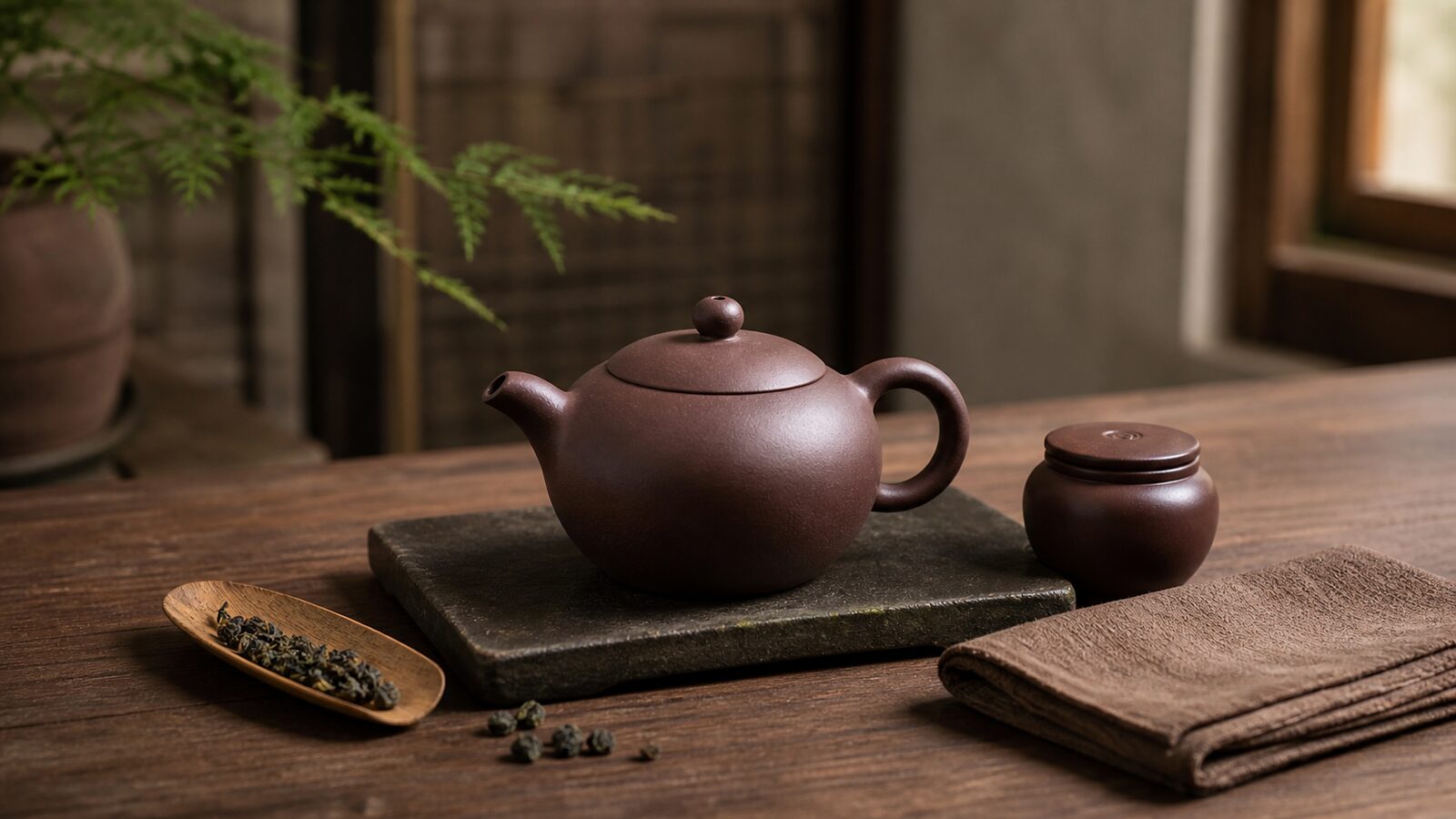
Teapot patina is often described as if it were a magic coating. In practice, it is more modest and more interesting: a slow surface change caused by repeated contact between tea oils, mineral-rich clay, water, and the brewer’s hands. On an unglazed Yixing teapot, this change can create a soft, quiet sheen over time. It does not prove a pot is valuable, and it does not turn poor clay into good clay.
That distinction matters for buyers. Patina can be a record of use, but it is not a shortcut for judging authenticity, craftsmanship, or brewing performance.
What Patina Actually Is
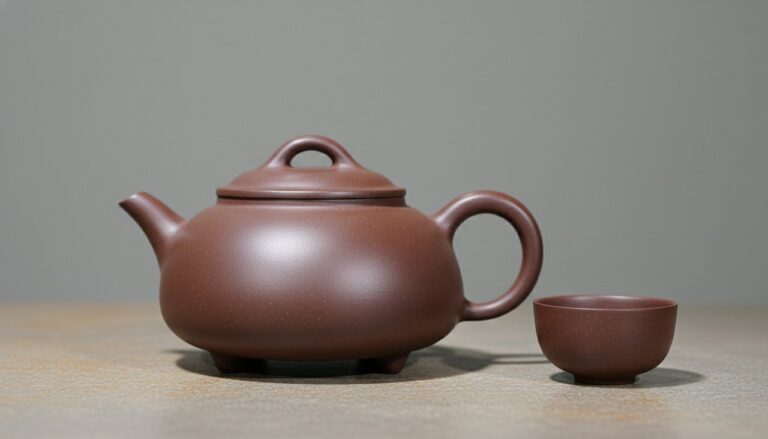
On Yixing and other unglazed clay teapots, the surface is not sealed under a glassy glaze. For cultural and material context, China’s National Intellectual Property Administration describes Yixing Zisha ware as a protected regional craft associated with purple clay tea ware. Tiny pores and mineral texture remain exposed after firing. When the pot is used repeatedly, small amounts of tea residue and natural oils settle into the outer working layer of the clay. Gentle wiping, hot rinsing, and handling gradually polish that surface.
Water quality sits on the other side of this equation. Brewing water carries dissolved minerals — calcium, magnesium, and trace silica in varying amounts depending on the source — and a small fraction of these minerals deposits on the clay surface as the pot dries between sessions.
Soft water lets the tea oils dominate the surface color cleanly. Hard water can dull or chalk the finish over time, especially on darker clays where calcium scale becomes visible. For pots intended to develop a clean patina, filtered or low-mineral water is the more forgiving choice.
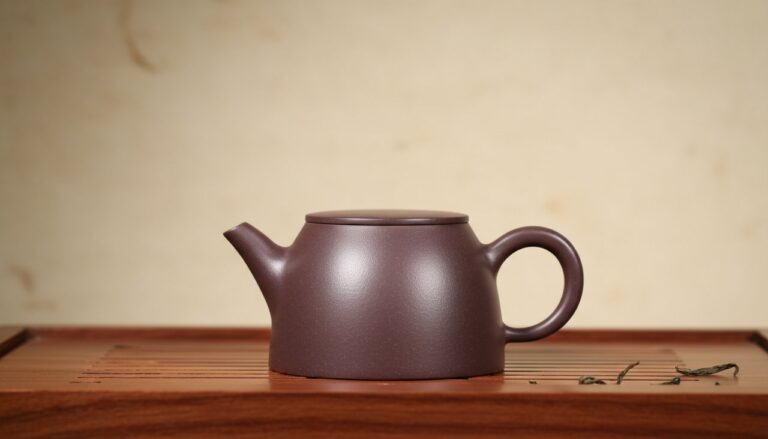
The visible result is usually subtle. A healthy patina looks like depth in the clay rather than a greasy shine sitting on top of it. The color may appear warmer, the surface may feel smoother, and the pot may catch light more softly than it did when new.
What Patina Does Not Prove
A glossy surface does not automatically mean a teapot is old, handmade, rare, or made from high-quality Zisha. Sellers can create shine quickly with wax, oil, polishing compounds, or heavy handling. Those treatments may look impressive in photos, but they say little about how the pot was made or how it brews.
Use patina as one clue, never as the final argument. If you are comparing form and construction before thinking about surface aging, start with our guide to the Shi Piao Yixing teapot shape. A serious evaluation still depends on clay texture, lid fit, pour control, wall balance, firing quality, and whether the pot feels coherent in the hand.
Good Patina vs Forced Shine
Natural patina usually develops unevenly because real use is uneven. The handle, lid button, shoulder, and spout area may soften at different speeds. The surface should still look like clay. If the shine appears plastic, wet, sticky, or perfectly uniform, be cautious.
Chinese tea collectors have a specific term for this artificial brightness: 贼光 (zéi guāng), which translates loosely as “tricky shine.” It refers to a reflective surface that catches your eye precisely because it has nothing to do with how clay actually ages. The give-away is usually a flat, plastic-like brightness that sits on top of the clay instead of seeming to come from inside it.
| Surface Sign | Likely Meaning |
|---|---|
| Soft sheen with visible clay texture | Consistent use and careful wiping |
| Greasy shine or waxy feel | Possible oil, wax, or artificial polishing |
| Uneven warmth around handled areas | Normal contact wear from use |
| Dark residue inside with sour odor | Poor drying or neglected cleaning, not desirable patina |
How to Develop Patina Without Damaging the Pot
The safest method is also the slowest. The full cycle has four steps that need to be repeated session after session:
- Brew one compatible tea family in the same pot; this is the same logic behind dedicated gongfu tea brewing setups.
- Rinse the pot with hot water after each session.
- Let it dry completely with the lid off.
- While the pot is still warm and clean, wipe the outside gently with a soft tea cloth reserved for teaware.
The first step is where most beginners drift. The traditional pairings follow the character of the clay itself:
- Zi Ni (purple clay) pots suit robust teas — Wuyi rock oolong (Yancha), aged ripe pu-erh, and well-aged black teas.
- Duan Ni (section clay) pots handle lighter teas with more grace — green tea, young sheng pu-erh, and lighter whites.
- Zhu Ni (vermilion clay) pots, dense and heat-retentive, are traditionally matched with fragrant high-fired oolongs such as Tieguanyin and lighter Wuyi varietals.
Mixing categories across the same pot blurs the clay’s memory and prevents a clean patina from forming. The general rule among long-term collectors is one pot, one tea — kept consistent for years rather than weeks.
Avoid shortcuts. Do not rub the surface with cooking oil, lotion, detergents, or scented cloths. Do not leave wet leaves sealed inside overnight to “feed” the clay. That encourages stale odor and possible mold, which is the opposite of good teapot care.
Should Every Teapot Develop Patina?
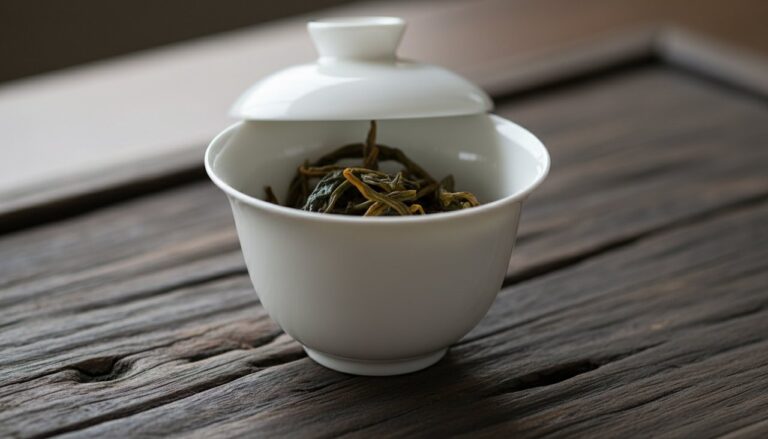
No. Glazed porcelain, glass, and bone china are designed to stay neutral. This is why a clay pot belongs to one side of the tea table, while neutral vessels such as porcelain gaiwans and gongfu tea sets serve broader tasting roles. Their surfaces should rinse clean rather than absorb tea memory. Patina is relevant mainly to unglazed clay, especially Yixing-style teapots used for gongfu brewing.
This is why a porcelain gaiwan and a Zisha teapot serve different roles. The gaiwan remains a clean testing instrument. The clay pot slowly becomes more personal, but only when it is used consistently and cared for patiently.
When Patina Should Affect Your Buying Decision
If you are buying a new teapot, patina should not matter at all. Museum collection records, such as the University of Michigan Museum of Art’s Yixing Ware Tea Pot, are useful reminders that material, form, date, and provenance matter more than surface gloss alone. You are choosing form, clay, fit, balance, and intended tea pairing. If you are buying a used or vintage pot, patina becomes relevant only when it agrees with the rest of the evidence. A believable surface history supports the story of the pot; it does not replace close inspection.
The best patina is not something you purchase fully finished. It is something the pot earns at your own tea table, session after session, until the surface begins to reflect the way you brew.
Keep that boundary clear: patina belongs to the brewing vessel, while dry leaves should be protected separately in Tea Caddies that control air, light, and odor.
References
- CNIPA: Yixing Zisha Ware – supports the regional and material background of Yixing Zisha ware.
- University of Michigan Museum of Art: Yixing Ware Tea Pot – supports historical object context for unglazed Yixing stoneware teapots.