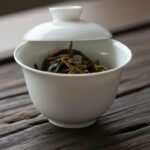




You lift the lid of a gaiwan filled with wet Phoenix Dancong leaves, and an intense floral scent rises straight at you. The promise is a vivid, layered cup. Then you taste it, and the liquid feels thin, almost flat compared to what your nose just told you.
This gap is not a flaw in the tea. It comes down to biology, chemistry, and a handful of brewing habits most people never think to adjust. Once you see why aroma and taste split apart, you can start closing that gap on purpose.
What separates a tea that smells incredible from one that tastes that way too comes down to a single question: did the aroma end up in the air, or in the water?
Tea drinkers have been running into this exact problem for centuries, long before anyone understood the chemistry behind it. The fix turns out to be part biology, part vessel choice, and part technique.
Two Paths to Flavor
Your nose and your tongue process flavor through two separate systems. When you smell dry or wet tea leaves directly, that’s orthonasal olfaction. Light aromatic molecules travel straight up your nostrils, giving you an instant, vivid impression.
Your tongue is far more limited. It only picks up sweetness, bitterness, sourness, saltiness, and umami. The floral or fruity notes you smelled never actually register as flavor on your taste buds.
Those notes only reach you through a second, slower route called retronasal olfaction. As you swallow, warm air carries aroma molecules from the back of your throat up into your nasal passage. This is why professional tasters slurp loudly. The motion drags in air, vaporizes the liquid in the mouth, and pushes those aromas up through the retronasal route before they’re gone.
Why Aroma Escapes Before Taste Can Catch Up
The split between scent and taste also lives inside the chemistry of the leaf. Brewing pulls two very different categories of compound out of the tea, and they behave nothing alike once hot water hits them.
Volatile aromatic compounds act like sprinters. Linalool, which smells of wood and flowers, and geraniol, which carries a rose-like note, both evaporate almost the instant they meet hot water. They burn off fast and vanish into the room.
Soluble taste compounds behave more like marathon runners. Catechins build the structure and astringency of the tea. Amino acids such as L-theanine add a savory, rounded base. Both need sustained heat and time to dissolve, and once they’re in the water, they stay there.
If your brewing water runs too hot for too long, the aromatic sprinters are long gone by the time you pour. What’s left in the cup is mostly the heavier, sometimes bitter compounds the sprinters would normally help balance out.
What Tasters Mean by 落水香 (Aroma That Enters the Water)
Tea professionals already have names for the different stages aroma passes through during a session, and they map almost exactly onto the chemistry above.
盖香 (gài xiāng), or lid aroma, is what you smell lifting the gaiwan’s lid right after pouring. It’s the fastest, most volatile layer, and the one that disappears soonest.
落水香 (luò shuǐ xiāng) describes aroma that has actually integrated into the liquid itself, rather than just hovering above it. This is the layer that lingers on the palate after you swallow, and it’s what separates a tea that merely smells good from one that tastes as good as it smells.
挂杯香 (guà bēi xiāng), or cup-clinging aroma, is what remains in an empty cup minutes after you’ve finished drinking. Tasters use it as a rough gauge of how much aroma actually made it into the water instead of escaping into the air.
A tea with strong lid aroma but weak 落水香 is exactly the disconnect described at the start of this article. Closing that gap means giving the volatile compounds a reason to stay in the liquid instead of racing off as steam.
How Your Teaware Shapes the Aroma
Your choice of teaware does more than look good on the table. It acts as a physical filter that changes how aroma and taste settle into the cup.
Jingdezhen porcelain has a smooth, glazed surface with almost no porosity. Because it absorbs nothing, it reflects delicate, high-pitched aromas cleanly, which is why porcelain gaiwans are often the first choice for lightly oxidized, highly fragrant teas.
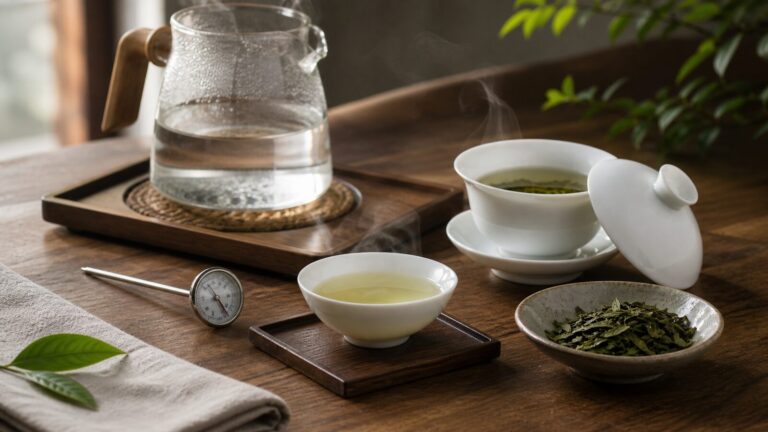
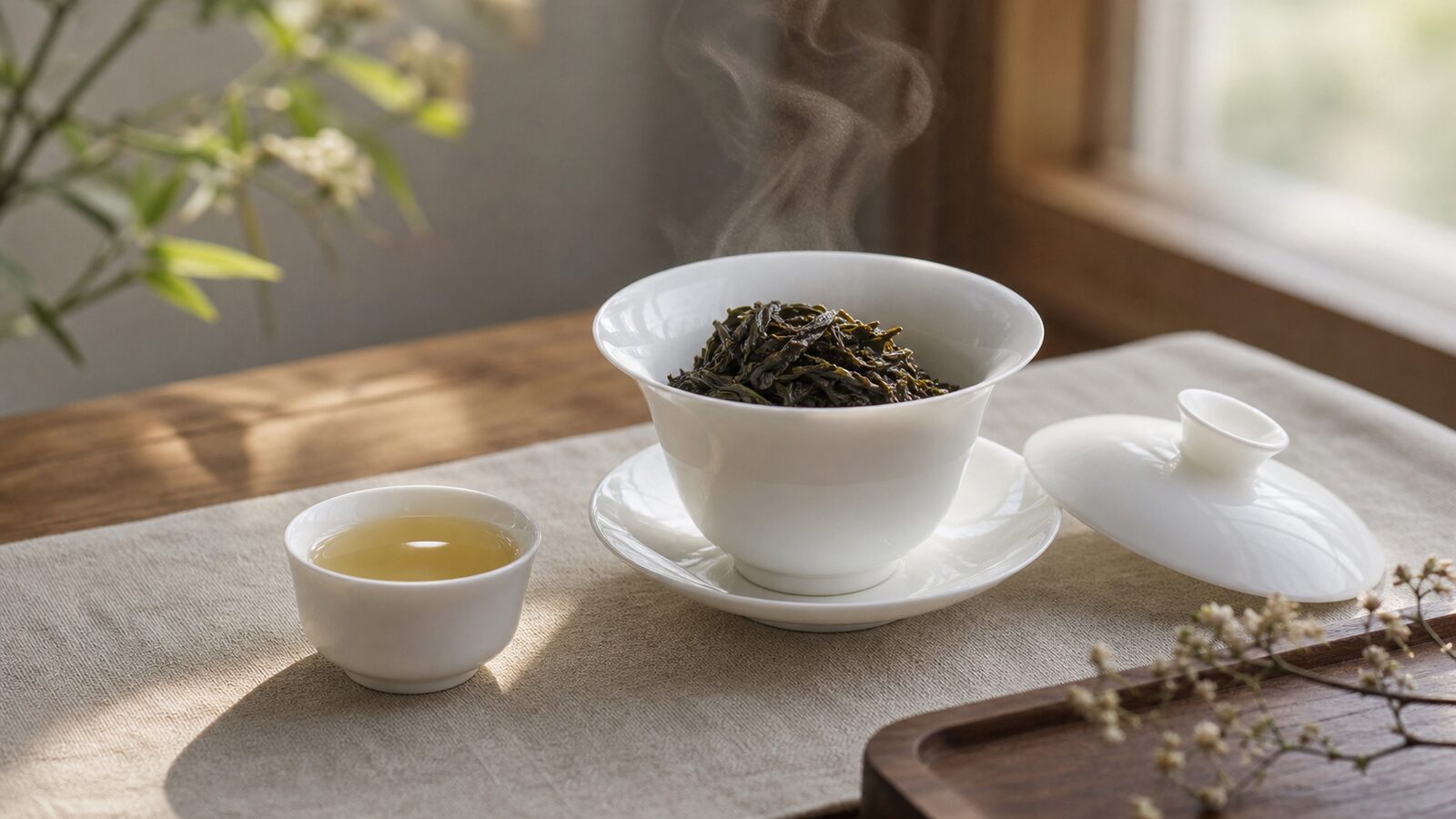
For an aroma-focused brewing setup, a porcelain gaiwan keeps this kind of tea easy to observe:
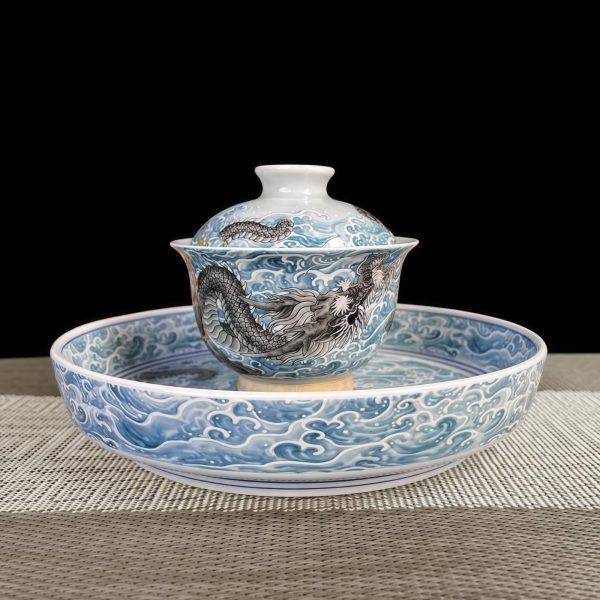
A white porcelain gaiwan makes it easier to watch liquor color, control fast pours, and keep delicate aromatics clean.
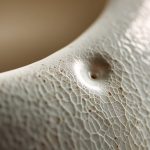
Unglazed Yixing clay works differently. Its surface is full of microscopic pores that interact with the tea over repeated brews. That porous structure tends to soften sharp aromatic spikes, the same volatile compounds that would otherwise flash off and disappear.
By holding onto more of those mid-range notes, Yixing clay nudges aroma toward the water instead of the air. The resulting cup often feels heavier and more unified, even if it smells slightly less intense the moment you lift the lid.
Choosing the right vessel narrows the gap before you even start adjusting technique. The rest comes down to how you actually brew.
Brewing for a Fuller Cup
Delicate, lightly roasted oolongs like Dancong are the teas most likely to smell incredible and taste thin. The fix is mostly about giving the soluble compounds more of a chance to build body, without letting the brew turn bitter.
Three adjustments make the biggest difference:
- Lower your water temperature to 85–90°C. Full boiling water burns off the most delicate volatile oils too quickly and drags out excess bitterness along with them.
- Use more leaf than you think you need. A 100ml gaiwan generally wants around 7 to 8 grams of dry leaf to build enough body in the cup.
- Keep your first few pours fast. Decanting within about five seconds stops the heavier, slower-dissolving compounds from taking over before the aromatics have had a chance to settle into the water.
Here’s how the two types of compound behave once hot water hits them, side by side:
| Compound type | Examples | Behavior in hot water |
|---|---|---|
| Volatile aromatics | Linalool, geraniol | Evaporate almost immediately, easy to lose |
| Soluble taste compounds | Catechins, L-theanine | Dissolve slowly, build body and structure over time |
Small changes to temperature, leaf ratio, and steep time give the volatile compounds a reason to dissolve into the water instead of escaping into the room. The result is a cup that finally tastes like it smells.
Frequently Asked Questions
Jingdezhen porcelain captures bright, volatile top notes because its glazed surface absorbs nothing. Unglazed Yixing clay rounds out the liquid, binding mid-notes directly into the body of the tea. We source authentic pieces from both regions at East Artisan to suit different brewing styles.
This happens because your nose and tongue process flavors through different pathways. Volatile aromatic compounds escape quickly into the steam before you sip. To taste these scents, the liquid must release them at the back of your throat as you swallow.
Lower your water temperature to 85–90°C to prevent delicate aromatic oils from evaporating too quickly. Increase your leaf-to-water ratio to build a heavier texture. Keep your steep times short to prevent bitter compounds from overpowering the subtle scents.
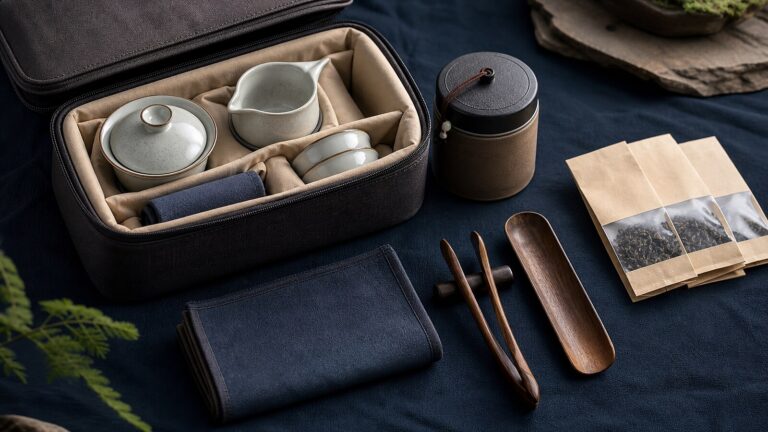
Store tea in airtight, opaque containers away from light, heat, and moisture. Oxygen degrades the volatile oils responsible for the tea's natural fragrance. We recommend small tin or ceramic canisters for daily storage to preserve these delicate compounds.
Yes, chlorine and heavy minerals in tap water bond with tea compounds and mute their natural fragrance. Standard filtered water or soft spring water allows volatile aromatics to release cleanly. The mineral balance of your water directly affects how fragrance binds to the liquid.
Heat and moisture activate volatile compounds that remain dormant in dry leaves. The steam acts as a carrier, lifting lighter floral and fruit notes directly to your olfactory receptors. It provides a preview of the tea's aromatic potential before extraction begins.
Cold water extracts fewer volatile aromatic compounds, meaning the dry aroma is minimal. However, it preserves sweet, non-bitter soluble elements that release slowly on the palate. The result is a clean, smooth taste with a subtle, delayed fragrance.